Filter posts by category

ADHD

Parenting Strategies for ADHD and RSD: Fostering Healthy Connections

Parenting a child with ADHD often comes with unique challenges, especially when emotional sensitivity and Rejection Sensitive Dysphoria (RSD) are part of the picture. RSD, a heightened emotional response to perceived rejection or criticism, can make it difficult for children to navigate relationships and manage their emotions. As parents, you play a critical role in helping your child build healthy connections and develop the skills they need to thrive socially and emotionally. Understanding ADHD, RSD, and Relationships Children with ADHD

Parenting Strategies for ADHD and RSD: Fostering Healthy Connections Read Post »

Rejection Sensitivity and ADHD in Relationships: The Emotional Rollercoaster

Living with ADHD often feels like riding an emotional rollercoaster, and for those affected by Rejection Sensitive Dysphoria (RSD), the highs and lows can be especially intense. RSD is a lesser-known but profoundly impactful aspect of ADHD. It’s characterized by an extreme emotional response to perceived rejection or criticism, often leading to feelings of shame, anger, or despair. For couples, navigating this emotional terrain can be challenging — but understanding RSD is the first step toward creating a more supportive

Rejection Sensitivity and ADHD in Relationships: The Emotional Rollercoaster Read Post »

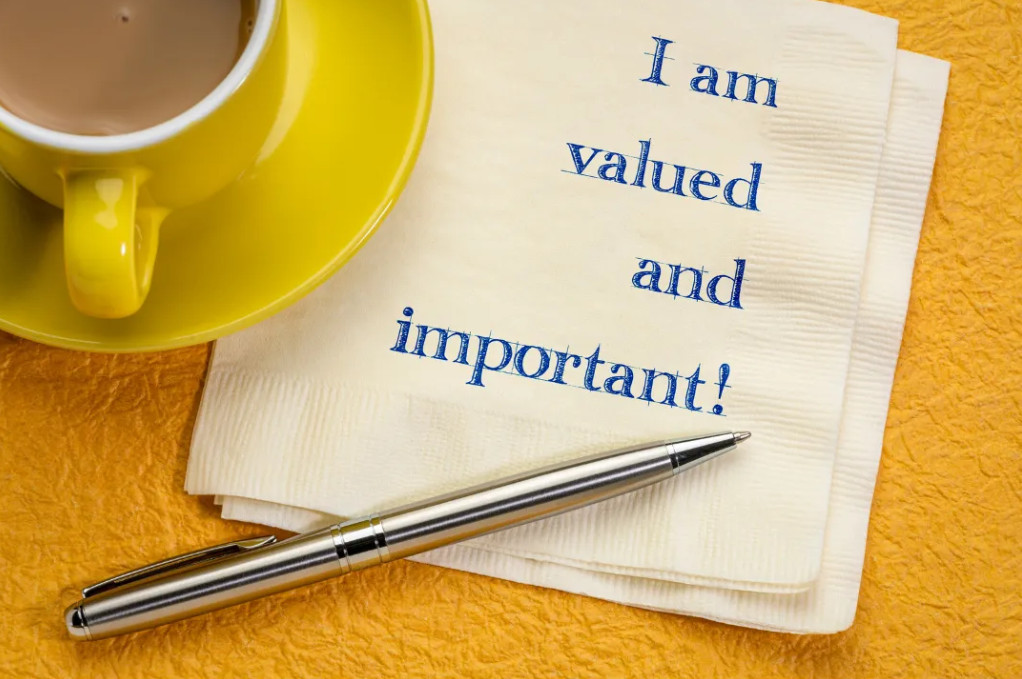
Unlocking the Power of Affirmations for ADHD

Ever wish you had a secret weapon to help you stay focused, feel less anxious, or tackle those overwhelming days? Good news — you do! Affirmations might sound simple, but they can work wonders for your brain, especially if you have ADHD. How Affirmations Help ADHD Brains Living with ADHD can feel like trying to navigate through a constant storm of thoughts, tasks, and emotions. Affirmations are like a lighthouse, guiding you back to calm and focus when the chaos

Unlocking the Power of Affirmations for ADHD Read Post »

The ADHD Brain and New Year’s Resolutions: Why They Don’t Stick and What to Do Instead

As the clock strikes midnight on December 31, many of us eagerly embrace the idea of a fresh start. We craft resolutions with the best intentions: exercise more, get organized, spend less time on screens. Yet for individuals with ADHD, sticking to these resolutions can feel like chasing a moving target. Why is that? And more importantly, what can be done to set yourself up for success? Why Resolutions Don’t Stick for ADHD Brains The ADHD brain thrives on novelty,

The ADHD Brain and New Year’s Resolutions: Why They Don’t Stick and What to Do Instead Read Post »

Mindfulness and Executive Function: How They Work Together

Mindfulness and executive function are two powerful tools that can change how we think, feel, and act. But did you know they actually support each other? When you combine mindfulness with strong executive function skills, you create a cycle that can improve focus, decision-making, and emotional balance. How Mindfulness Supports Executive Function Mindfulness means paying attention to the present moment without judgment. This simple practice has a big impact on the brain: How Executive Function Supports Mindfulness Executive function includes

Mindfulness and Executive Function: How They Work Together Read Post »

ADHD-Friendly Reward System

Motivation doesn’t come naturally to ADHD brains — not because of laziness but because of differences in how the brain processes dopamine. Dopamine is the chemical that helps us feel rewarded and accomplished. For people with ADHD, the brain’s dopamine system works differently, making it harder to start or stay on tasks that don’t feel immediately rewarding. This is where external rewards come in. A small, tangible reward can act as a spark, helping the brain release dopamine and creating

ADHD-Friendly Reward System Read Post »

Scroll to Top